


-
Book Overview & Buying
-
Table Of Contents

-
Feedback & Rating

Threat Modeling Best Practices
By :


Threat Modeling Best Practices
By:
Overview of this book
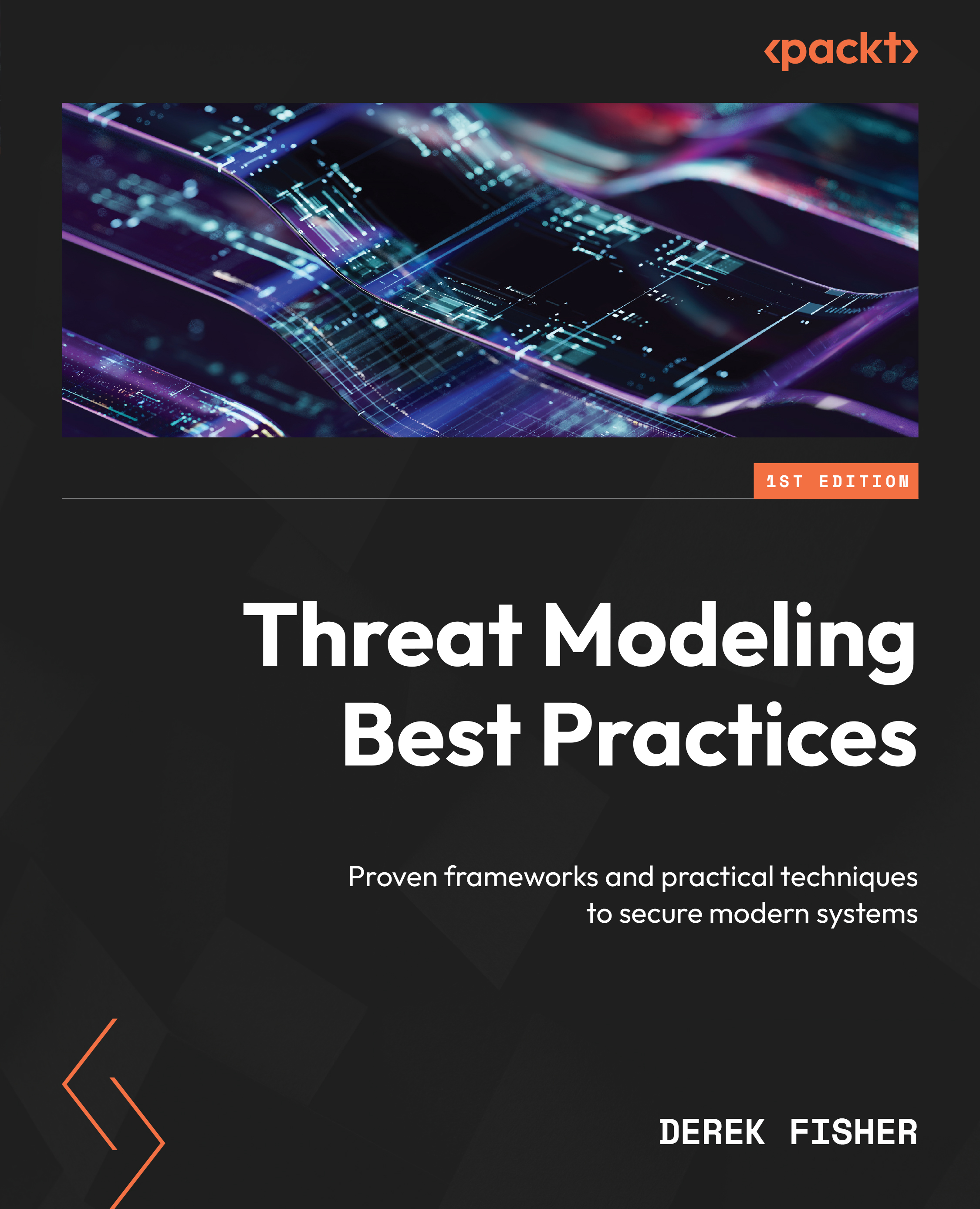
Threat modeling has become a cornerstone of modern cybersecurity, yet it is often overlooked, leaving security gaps that attackers can exploit. With the rise in system complexity, cloud adoption, AI-driven threats, and stricter compliance requirements, security teams need a structured approach to proactively spot and stop risks before attackers do. This book delivers exactly that, offering actionable insights for applying industry best practices and emerging technologies to secure systems. It breaks down the fundamentals of threat modeling and walks you through key frameworks and tools such as STRIDE, MITRE ATT&CK, PyTM, and Attack Paths, helping you choose the right model and create a roadmap tailored to your business. You'll learn how to use leading threat modeling tools, identify and prioritize potential threats, and integrate these practices into the software development life cycle to detect risks early. The book also examines how AI can enhance analysis and streamline security decision-making for faster, stronger defenses.
By the end, you'll have everything you need to build systems that anticipate and withstand evolving threats, keeping your organization secure in an ever-changing digital landscape.
Table of Contents (17 chapters)
Preface


Threat Modeling Methodologies
Understanding and Evaluating Threats during Threat Modeling
Prioritizing Risks Found in Threat Modeling

Applying Threat Modeling
Threat Modeling of Software
Threat Modeling Cloud and Infrastructure
Threat Modeling the Supply Chain
Mobile and IoT Threat Modeling
Advanced Topics and Industry Practices
AI and Threat Modeling of LLMs
Building a Threat Modeling Practice
Future Directions in Threat Modeling
Unlock Your Exclusive Benefits
Other Books You May Enjoy
Index
Customer Reviews



