


-
Book Overview & Buying
-
Table Of Contents

The DevOps 2.1 Toolkit: Docker Swarm
By :


The DevOps 2.1 Toolkit: Docker Swarm
By:
Overview of this book
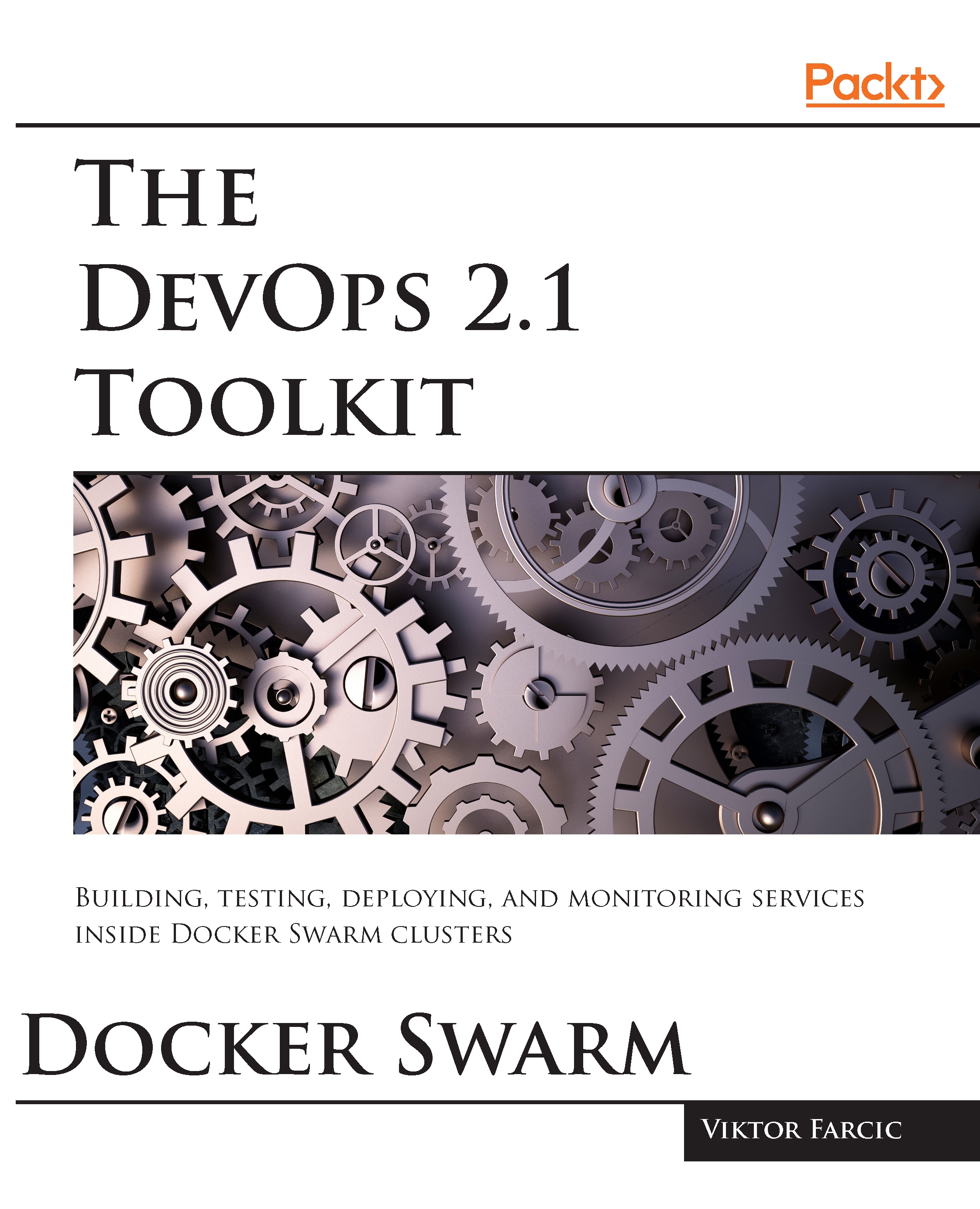
Viktor Farcic's latest book, The DevOps 2.1 Toolkit: Docker Swarm, takes you deeper into one of the major subjects of his international best seller, The DevOps 2.0 Toolkit, and shows you how to successfully integrate Docker Swarm into your DevOps toolset.
Viktor shares with you his expert knowledge in all aspects of building, testing, deploying, and monitoring services inside Docker Swarm clusters. You'll go through all the tools required for running a cluster. You'll travel through the whole process with clusters running locally on a laptop. Once you're confident with that outcome, Viktor shows you how to translate your experience to different hosting providers like AWS, Azure, and DigitalOcean.
Viktor has updated his DevOps 2.0 framework in this book to use the latest and greatest features and techniques introduced in Docker. We'll go through many practices and even more tools. While there will be a lot of theory, this is a hands-on book. You won't be able to complete it by reading it on the metro on your way to work. You'll have to read this book while in front of the computer and get your hands dirty.
Table of Contents (17 chapters)

 Free Chapter
Continuous Integration with Docker Containers

Setting Up and Operating a Swarm Cluster
Docker Swarm Networking and Reverse Proxy
Service Discovery inside a Swarm Cluster
Continuous Delivery and Deployment with Docker Containers
Automating Continuous Deployment Flow with Jenkins

Exploring Docker Remote API
Using Docker Stack and Compose YAML Files to Deploy Swarm Services
Defining Logging Strategy
Collecting Metrics and Monitoring the Cluster
Embracing Destruction: Pets versus Cattle
Creating and Managing a Docker Swarm Cluster in Amazon Web Services
Creating and Managing a Docker Swarm Cluster in DigitalOcean
Creating and Managing Stateful Services in a Swarm Cluster
Managing Secrets in Docker Swarm Clusters
Monitor Your GitHub Repos with Docker and Prometheus



