


-
Book Overview & Buying
-
Table Of Contents

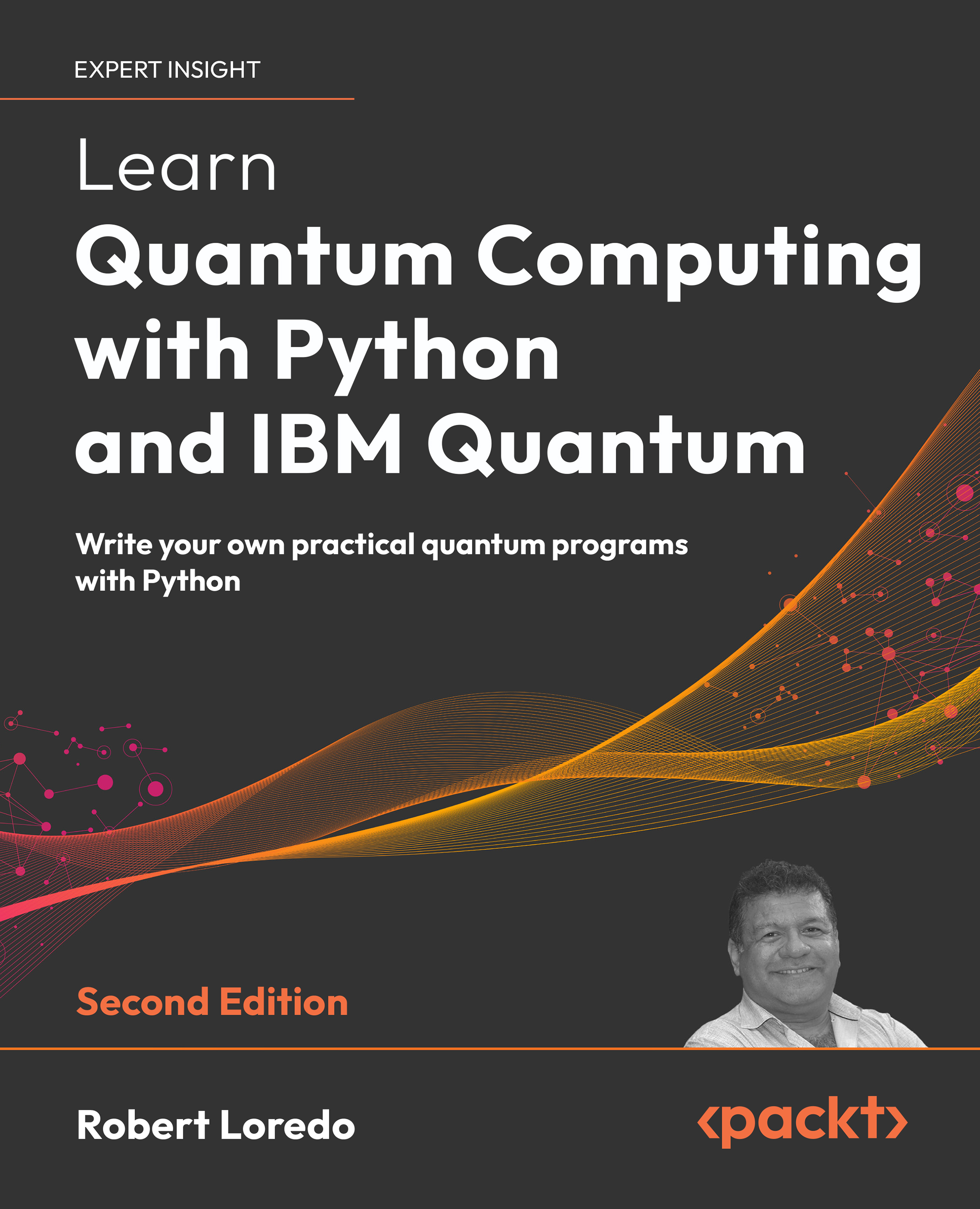
Learn Quantum Computing with Python and IBM Quantum - Second Edition
By :


Learn Quantum Computing with Python and IBM Quantum
By:
Overview of this book
The IBM Quantum Platform was built to enable developers to learn the basics of quantum computing by providing access to high performant quantum computers and provide documentation and courses to help get up to speed with the latest features in quantum computing.
Updated with new examples and changes to the platform, this edition begins with an introduction to the IBM Quantum Platform and the Quantum Information Science Kit (Qiskit) SDK. You will become well versed in the IBM Quantum Composer interface as well as running your quantum circuits on a real quantum computer. Along the way, you’ll learn some of the fundamental principles regarding quantum mechanics, qubits, quantum gates, quantum circuits, and the error mitigation techniques that are used to perform operations on qubits.
As you build on your knowledge, you’ll understand the functionality of IBM Qiskit and the developer-focused resources so you can create your own quantum algorithms. You’ll learn how to monitor and optimize your quantum circuits. Lastly, you’ll look at the fundamental quantum algorithms and understand how they can be applied effectively.
By the end of this quantum computing book, you'll know how to build quantum algorithms and will have gained a practical understanding of quantum computation that you can apply to your research or business.
Table of Contents (19 chapters)
Preface


Exploring the IBM Quantum Tools
 Free Chapter
Creating Quantum Circuits with IBM Quantum Composer
Introducing and Installing Qiskit
Understanding Basic Quantum Computing Principles

Understanding the Qubit
Understanding Quantum Logic Gates
Programming with Qiskit
Optimizing and Visualizing Quantum Circuits
Simulating Quantum Systems and Noise Models
Suppressing and Mitigating Quantum Noise
Understanding Quantum Algorithms
Applying Quantum Algorithms
Understanding Quantum Utility and Qiskit Patterns
Appedix C: Unlock Your Exclusive Benefits
Other Book You May Enjoy
Index
Appendix A: Resources
Appendix B: Assessments


