-
Book Overview & Buying

-
Table Of Contents

Django 5 for the Impatient - Second Edition
By :


Django 5 for the Impatient
By:
Overview of this book
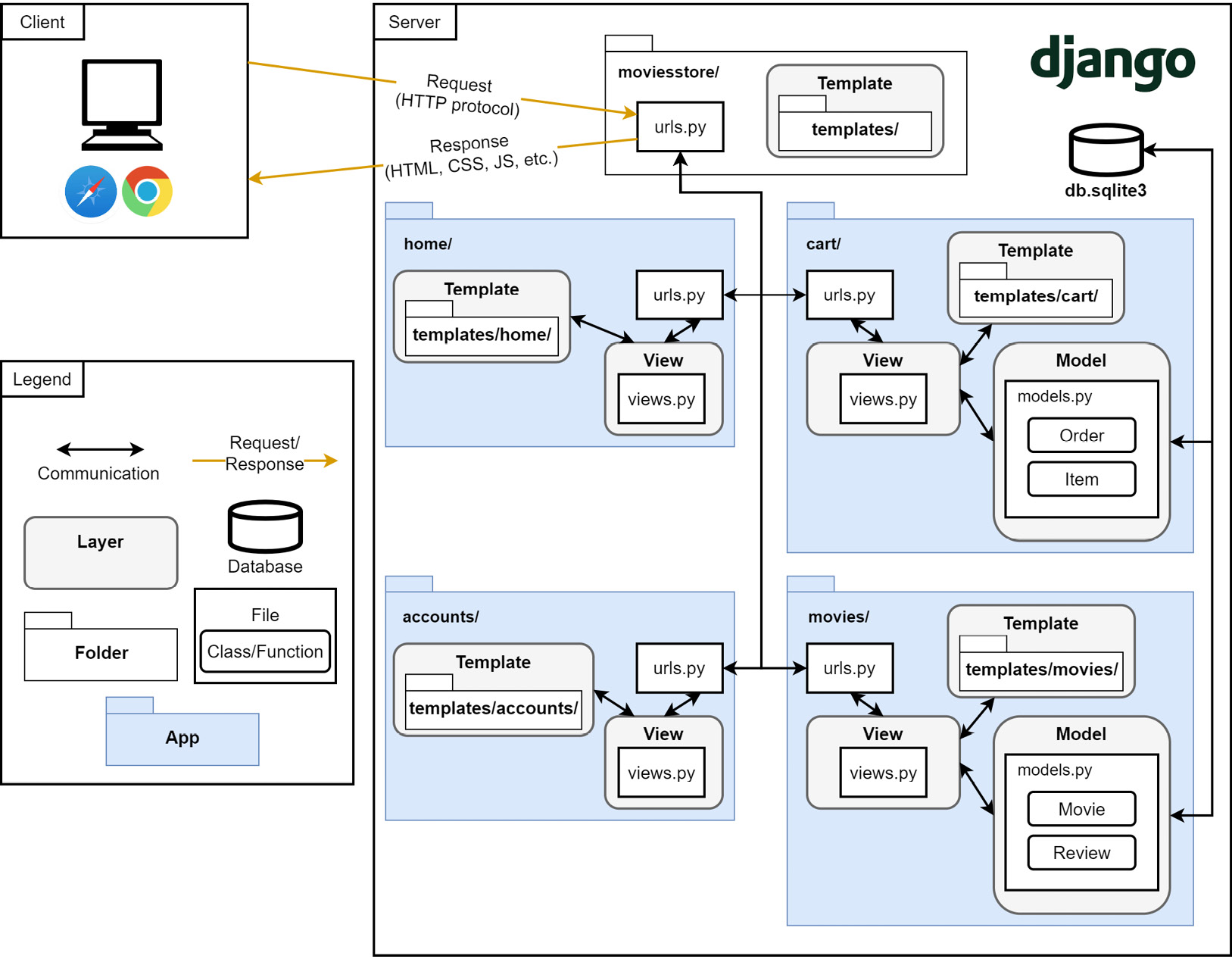
Learning Django can be a challenging and time-consuming activity without the right guidance. With hundreds of tutorials, loads of documentation, and unclear explanations out there, it’s easy to lose sight of what’s most important. This book stands out by teaching you how to use Django in just a few days with a focused approach. In this second edition, you’ll go on a fun, practical, and pragmatic journey to learning full-stack development with Django 5. You’ll start building your first Django app within minutes. As you progress, you’ll learn from concise explanations that will help you get to grips with some of the most important Django features, including URLs, views, templates, models, CSS inclusion, image storage, Django admin panel, and more. You’ll also understand how to design Django MVT (Model-View-Template) architectures and implement them. Additionally, you’ll use Django to develop a movie store application and deploy it to the internet.
By the end of this book, you’ll be able to build and deploy your own Django web applications confidently.
Table of Contents (16 chapters)
Preface


 Free Chapter
Chapter 1: Installing Python and Django, and Introducing the Movies Store Application

Chapter 2: Understanding the Project Structure and Creating Our First App
Chapter 3: Designing a Base Template
Chapter 4: Creating a Movies App with Dummy Data
Chapter 5: Working with Models
Chapter 6: Collecting and Displaying Data from the Database
Chapter 7: Understanding the Database
Chapter 8: Implementing User Signup and Login
Chapter 9: Letting Users Create, Read, Update, and Delete Movie Reviews
Chapter 10: Implementing a Shopping Cart System
Chapter 11: Implementing Order and Item Models
Chapter 12: Implementing the Purchase and Orders Pages
Chapter 13: Deploying the Application to the Cloud
Index