Sign In Start Free Trial
Account

Add to playlist

Create a Playlist

Modal Close icon
You need to login to use this feature.
  • Book Overview & Buying Mastering Kubernetes
  • Table Of Contents Toc
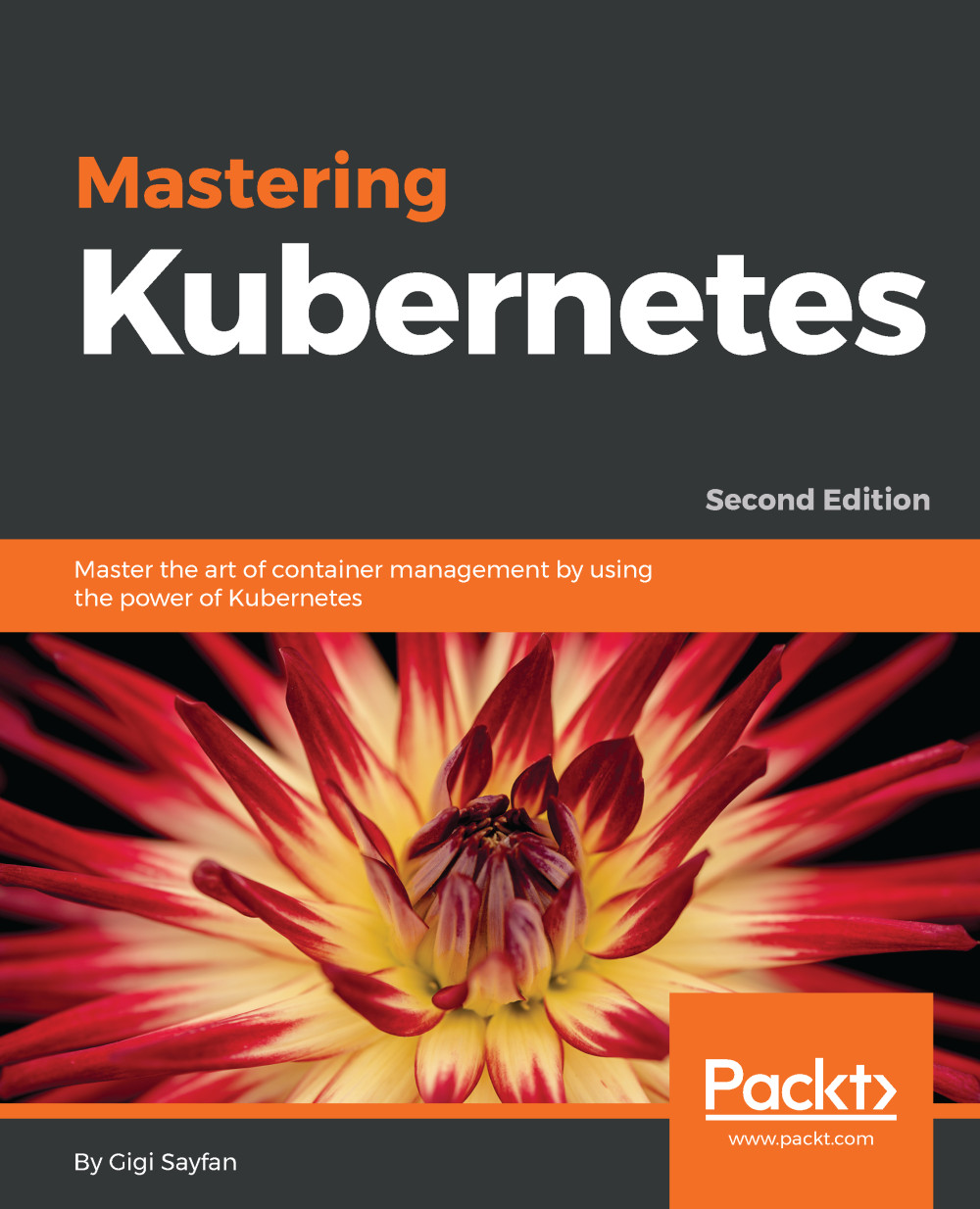
Mastering Kubernetes

Mastering Kubernetes - Second Edition

By : Gigi Sayfan
3.6 (10)
close
close
Mastering Kubernetes

Mastering Kubernetes

3.6 (10)
By: Gigi Sayfan

Overview of this book

Kubernetes is an open source system that is used to automate the deployment, scaling, and management of containerized applications. If you are running more containers or want automated management of your containers, you need Kubernetes at your disposal. To put things into perspective, Mastering Kubernetes walks you through the advanced management of Kubernetes clusters. To start with, you will learn the fundamentals of both Kubernetes architecture and Kubernetes design in detail. You will discover how to run complex stateful microservices on Kubernetes including advanced features such as horizontal pod autoscaling, rolling updates, resource quotas, and persistent storage backend. Using real-world use cases, you will explore the options for network configuration, and understand how to set up, operate, and troubleshoot various Kubernetes networking plugins. In addition to this, you will get to grips with custom resource development and utilization in automation and maintenance workflows. To scale up your knowledge of Kubernetes, you will encounter some additional concepts based on the Kubernetes 1.10 release, such as Promethus, Role-based access control, API aggregation, and more. By the end of this book, you’ll know everything you need to graduate from intermediate to advanced level of understanding Kubernetes.

Table of Contents (16 chapters)
close
close

A quick single-node cluster with Minikube

In this section, we will create a single-node cluster on Windows. The reason we will use Windows is that Minikube and single-node clusters are most useful for local developer machines. While Kubernetes is typically deployed on Linux in production, many developers work on Windows PCs or Macs. That said, there aren't too many differences if you do want to install Minikube on Linux:

Getting ready

There are some prerequisites to install before you can create the cluster itself. These include VirtualBox, the kubectl command-line interface for Kubernetes, and, of course, Minikube itself. Here is a list of the latest versions at the time of writing:

CONTINUE READING
83
Tech Concepts
36
Programming languages
73
Tech Tools
Icon Unlimited access to the largest independent learning library in tech of over 8,000 expert-authored tech books and videos.
Icon Innovative learning tools, including AI book assistants, code context explainers, and text-to-speech.
Icon 50+ new titles added per month and exclusive early access to books as they are being written.
Mastering Kubernetes
notes
bookmark Notes and Bookmarks search Search in title playlist Add to playlist font-size Font size

Change the font size

margin-width Margin width

Change margin width

day-mode Day/Sepia/Night Modes

Change background colour

Close icon Search
Country selected

Close icon Your notes and bookmarks

Confirmation

Modal Close icon
claim successful

Buy this book with your credits?

Modal Close icon
Are you sure you want to buy this book with one of your credits?
Close
YES, BUY

Submit Your Feedback

Modal Close icon
Modal Close icon
Modal Close icon