


-
Book Overview & Buying
-
Table Of Contents

GPU Programming with C++ and CUDA
By :


GPU Programming with C++ and CUDA
By:
Overview of this book
Written by Paulo Motta, a senior researcher with decades of experience, this comprehensive GPU programming book is an essential guide for leveraging the power of parallelism to accelerate your computations. The first section introduces the concept of parallelism and provides practical advice on how to think about and utilize it effectively. Starting with a basic GPU program, you then gain hands-on experience in managing the device. This foundational knowledge is then expanded by parallelizing the program to illustrate how GPUs enhance performance.
The second section explores GPU architecture and implementation strategies for parallel algorithms, and offers practical insights into optimizing resource usage for efficient execution.
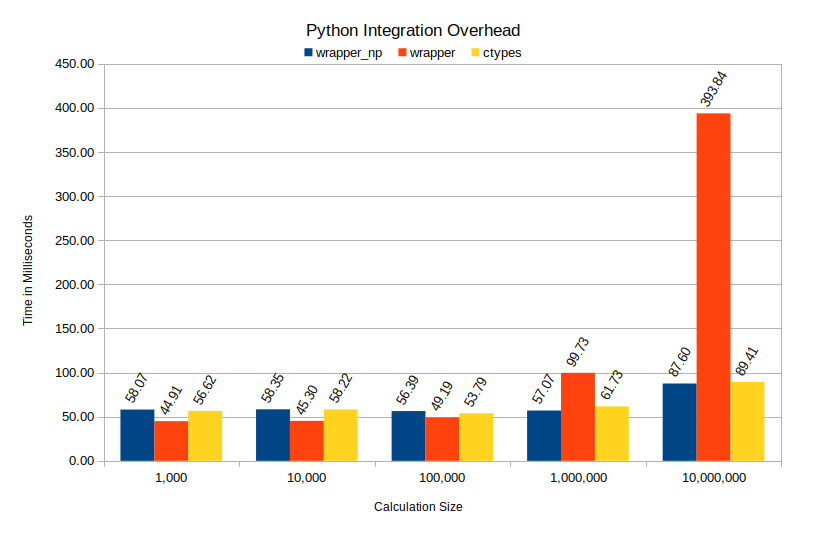
In the final section, you will explore advanced topics such as utilizing CUDA streams. You will also learn how to package and distribute GPU-accelerated libraries for the Python ecosystem, extending the reach and impact of your work.
Combining expert insight with real-world problem solving, this book is a valuable resource for developers and researchers aiming to harness the full potential of GPU computing. The blend of theoretical foundations, practical programming techniques, and advanced optimization strategies it offers is sure to help you succeed in the fast-evolving field of GPU programming.
Table of Contents (17 chapters)
Preface


Introduction to Parallel Programming
Setting Up Your Development Environment
Hello CUDA
Hello Again, but in Parallel
Bring It On!
A Closer Look into the World of GPUs
Parallel Algorithms with CUDA
Performance Strategies
Moving Forward
Overlaying Multiple Operations
Exposing Your Code to Python

Exploring Existing GPU Models
Unlock Your Book’s Exclusive Benefits
Other Books You May Enjoy
Index
 Quick tip: Need to see a high-resolution version of this image? Open this book in the next-gen Packt Reader or view it in the PDF/ePub copy.
  The next-gen Packt Reader and a free PDF/ePub copy of this book are included with your purchase. Scan the QR code OR visit


