Sign In Start Free Trial
Account

Add to playlist

Create a Playlist

Modal Close icon
You need to login to use this feature.
  • Book Overview & Buying Designing and Implementing Microsoft Azure Networking Solutions
  • Table Of Contents Toc
Designing and Implementing Microsoft Azure Networking Solutions

Designing and Implementing Microsoft Azure Networking Solutions

By : David Okeyode
4.6 (20)
close
close
Designing and Implementing Microsoft Azure Networking Solutions

Designing and Implementing Microsoft Azure Networking Solutions

4.6 (20)
By: David Okeyode

Overview of this book

Designing and Implementing Microsoft Azure Networking Solutions is a comprehensive guide that covers every aspect of the AZ-700 exam to help you fully prepare to take the certification exam. Packed with essential information, this book is a valuable resource for Azure cloud professionals, helping you build practical skills to design and implement name resolution, VNet routing, cross-VNet connectivity, and hybrid network connectivity using the VPN Gateway and the ExpressRoute Gateway. It provides step-by-step instructions to design and implement an Azure Virtual WAN architecture for enterprise use cases. Additionally, the book offers detailed guidance on network security design and implementation, application delivery services, private platform service connectivity, and monitoring networks in Azure. Throughout the book, you’ll find hands-on labs carefully integrated to align with the exam objectives of the Azure Network Engineer certification (AZ-700), complemented by practice questions at the end of each chapter, allowing you to test your knowledge. By the end of this book, you’ll have mastered the fundamentals of Azure networking and be ready to take the AZ-700 exam.
Table of Contents (17 chapters)
close
close
1
Part 1: Design and Implement Core Networking Infrastructure in Azure
6
Part 2: Design, Implement, and Manage Hybrid Networking
11
Part 3: Design and Implement Traffic Management and Network Monitoring

Hands-on exercise – creating a dual-stack VNet in Azure

In this exercise, we will create a dual-stack network in Azure that supports both IPv4 and IPv6 for the fictional organization called CharisTech. The activities in this task will be completed using the Azure CLI to give you familiarity with the different Azure management tools. Here are the tasks that we will complete in this exercise:

  • Task 1: Creating the dual-stack EngineeringVNet VNet and subnets
  • Task 2: Verifying the creation of the dual-stack VNet and subnets

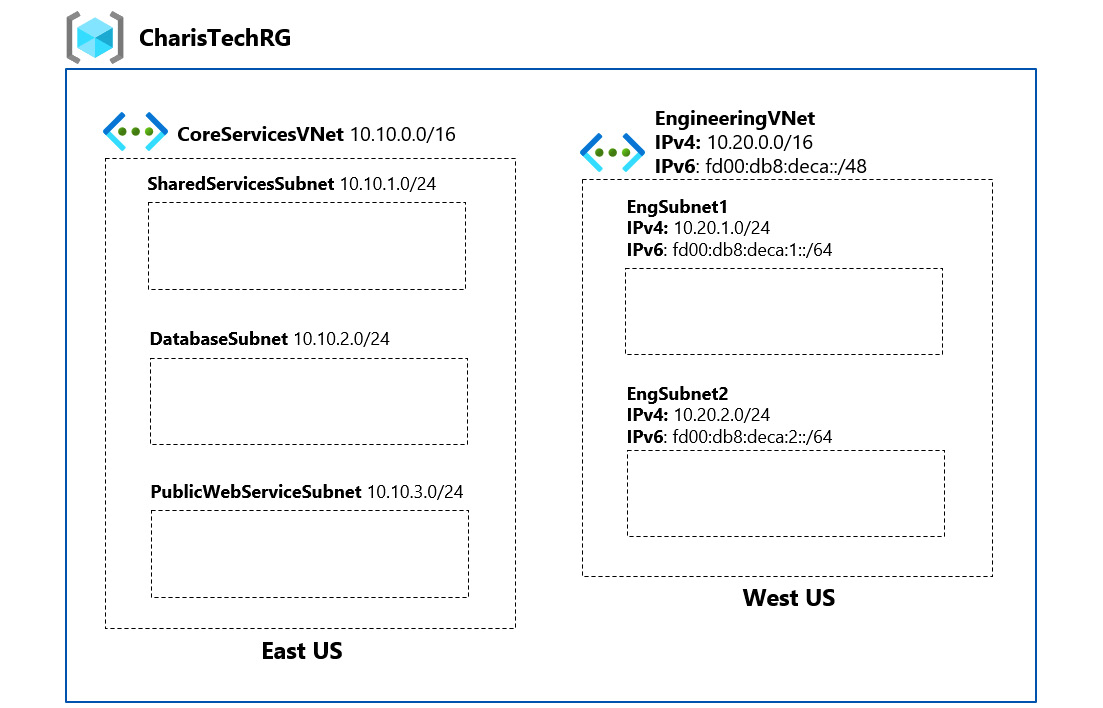
Figure 1.27 shows the outcome that we’ll get to at the end of the tasks:

Figure 1.27 – CharisTech Azure VNets and subnets

Figure 1.27 – CharisTech Azure VNets and subnets

Let’s get started!

Task 1 – creating the dual-stack EngineeringVNet VNet and subnets

  1. Open a web browser and go to the Azure Portal at https://portal.azure.com. Sign in with your admin user account credentials.
  2. In the Azure Portal, click on the Cloud Shell icon in the top right corner of the Azure Portal:
Figure 1.28 – Click the icon to open Cloud Shell

Figure 1.28 – Click the icon to open Cloud Shell

  1. (Optional) If this is your first time launching Cloud Shell, you will be prompted to select between the Bash and PowerShell environments. Select Bash. You will also be prompted to create a storage account that will be used by Cloud Shell. Select Create Storage.
  2. If this is not your first launch, ensure you have Bash selected for your environment:
Figure 1.29 – Select the Bash shell environment

Figure 1.29 – Select the Bash shell environment

  1. In Cloud Shell, enter the following commands to set the values that we will use for the following variables: resource group, location, and VNet:
    group=CharisTechRG
    location=westus
    VNet=EngineeringVNet
  2. Create a VNet with the az network VNet create command. The following command creates a VNet named EngineeringVNet with one subnet named EngSubnet1. Both the VNet and the subnet are dual-stack:
    az network VNet create --name $VNet --resource-group $group --location $location --address-prefixes "10.20.0.0/16" "fd00:db8:deca::/48" --subnet-name EngSubnet1 --subnet-prefix "10.20.1.0/24" "fd00:db8:deca:1::/64"
  3. Add a second subnet with the az network VNet subnet create command. The following command adds a dual-stack subnet named EngSubnet2 to the EngineeringVNet network that we created earlier:
    az network VNet subnet create -n EngSubnet2 --address-prefixes "10.20.2.0/24" "fd00:db8:deca:2::/64" --resource-group $group --VNet-name $VNet

Now that the dual-stack VNets and subnets are created, let us verify them.

Task 2 – verifying the creation of the dual-stack VNet and subnets

Let’s get started!

  1. In the Cloud Shell environment, enter the following command to list the VNets in the subscription and output the result in a table format:
    az network VNet list --resource-group CharisTechRG --output table

The output should be like the output shown in Figure 1.30:

Figure 1.30 – The VNet list output

Figure 1.30 – The VNet list output

As you can see, using command-line management tools such as the Azure CLI greatly streamlines resource management in Azure!

CONTINUE READING
83
Tech Concepts
36
Programming languages
73
Tech Tools
Icon Unlimited access to the largest independent learning library in tech of over 8,000 expert-authored tech books and videos.
Icon Innovative learning tools, including AI book assistants, code context explainers, and text-to-speech.
Icon 50+ new titles added per month and exclusive early access to books as they are being written.
Designing and Implementing Microsoft Azure Networking Solutions
notes
bookmark Notes and Bookmarks search Search in title playlist Add to playlist download Download options font-size Font size

Change the font size

margin-width Margin width

Change margin width

day-mode Day/Sepia/Night Modes

Change background colour

Close icon Search
Country selected

Close icon Your notes and bookmarks

Confirmation

Modal Close icon
claim successful

Buy this book with your credits?

Modal Close icon
Are you sure you want to buy this book with one of your credits?
Close
YES, BUY

Submit Your Feedback

Modal Close icon
Modal Close icon
Modal Close icon