Sign In Start Free Trial
Account

Add to playlist

Create a Playlist

Modal Close icon
You need to login to use this feature.
  • Book Overview & Buying Concurrency with Modern C++
  • Table Of Contents Toc
Concurrency with Modern C++

Concurrency with Modern C++

By : Rainer Grimm
close
close
Concurrency with Modern C++

Concurrency with Modern C++

By: Rainer Grimm

Overview of this book

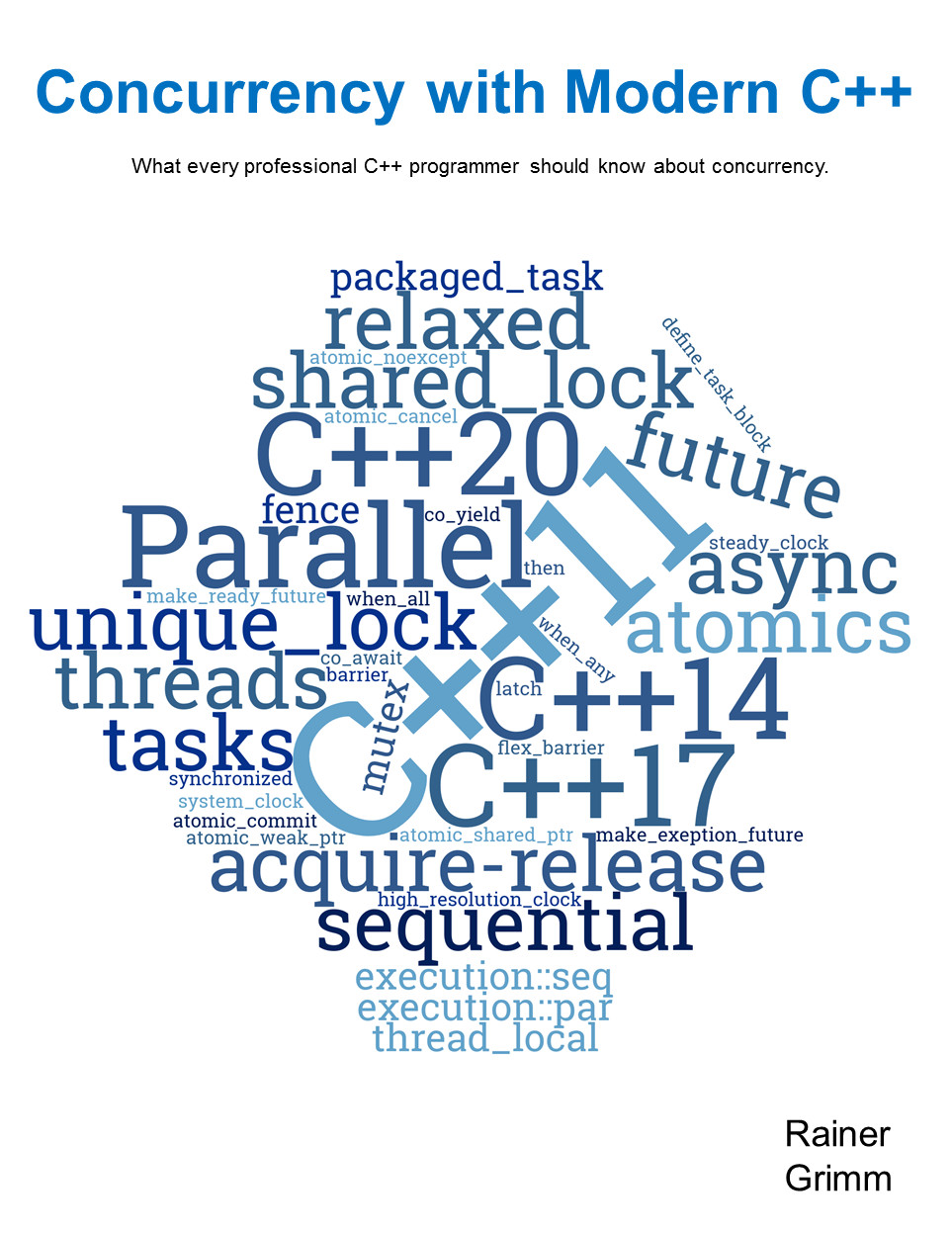
C++11 is the first C++ standard that deals with concurrency. The story goes on with C++17 and will continue with C++20/23. Concurrency with Modern C++ is a practical guide that gets you to grips with concurrent programming in Modern C++. Starting with the C++ memory model and using many ready-to-run code examples, the book covers everything you need to improve your C++ multithreading skills. You'll gain insight into different design patterns. You'll also uncover the general consideration you have to keep in mind while designing a concurrent data structure. The final chapter in the book talks extensively about the common pitfalls of concurrent programming and ways to overcome these hurdles. By the end of the book, you'll have the skills to build your own concurrent programs and enhance your knowledge base.
Table of Contents (19 chapters)
close
close
Lock Free Chapter
1
Reader Testimonials
19
Index

Fences

C++ support two kind of fences: a std::atomic_thread_fence and a std::atomic_signal_fence.

  • std::atomic_thread_fence: synchronises memory accesses between threads.
  • std::atomic_signal_fence: synchronises between a signal handler and code running on the same thread.

std::atomic_thread_fence

A std::atomic_thread_fence prevents specific operations from crossing a fence.

std::atomic_thread_fence needs no atomic variable. They are frequently just referred to as fences or memory barriers. You quickly get an idea of what a std::atomic_thread_fence is all about.

Fences as Memory Barriers

What does that mean? Specific operations cannot cross a memory barrier. What kind of operations? From a bird’s-eye view, we have two kinds of operations: read and write or load and store operations. The expression if(resultRead) return result is a load, followed by a store operation.

There are four different ways to combine load and store operations:

  • LoadLoad: A load followed...
CONTINUE READING
83
Tech Concepts
36
Programming languages
73
Tech Tools
Icon Unlimited access to the largest independent learning library in tech of over 8,000 expert-authored tech books and videos.
Icon Innovative learning tools, including AI book assistants, code context explainers, and text-to-speech.
Icon 50+ new titles added per month and exclusive early access to books as they are being written.
Concurrency with Modern C++
notes
bookmark Notes and Bookmarks search Search in title playlist Add to playlist font-size Font size

Change the font size

margin-width Margin width

Change margin width

day-mode Day/Sepia/Night Modes

Change background colour

Close icon Search
Country selected

Close icon Your notes and bookmarks

Confirmation

Modal Close icon
claim successful

Buy this book with your credits?

Modal Close icon
Are you sure you want to buy this book with one of your credits?
Close
YES, BUY

Submit Your Feedback

Modal Close icon
Modal Close icon
Modal Close icon