Sign In Start Free Trial
Account

Add to playlist

Create a Playlist

Modal Close icon
You need to login to use this feature.
  • Book Overview & Buying Digital Forensics Cookbook
  • Table Of Contents Toc
Digital Forensics Cookbook

Digital Forensics Cookbook

By : Cody Bounds
close
close
Digital Forensics Cookbook

Digital Forensics Cookbook

By: Cody Bounds

Overview of this book

Modern investigations and incident response efforts live and die by digital evidence. Digital Forensics Cookbook uses realistic datasets and practical workflows drawn from real investigations to uncover the truth hidden inside computers, mobile devices, and online accounts. Rather than focusing on theory alone, this book moves you through the investigative process from triage and acquisition to artifact analysis, memory forensics, encryption challenges, malware triage, and detecting anti-forensic behavior. Along the way, you’ll perform remote artifact collection, analyze evidence across Windows, macOS, Linux, iOS, and Android systems, investigate cloud-synced accounts, recover deleted data, manually carve evidence when tools fail, and identify attempts to hide or manipulate data. As you progress through the book, you’ll learn how to write and apply regular expressions and SQLite queries, build system timelines, baseline systems, automate analysis, verify findings across independent sources, generate custom password dictionaries to crack encrypted containers, detect metadata tampering designed to mislead investigators, and analyze Windows memory. By the end, you won’t just know how to run forensic tools; you’ll understand how investigators think, enabling you to turn scattered digital traces into clear, defensible conclusions.
Table of Contents (20 chapters)
close
close
Lock Free Chapter
1
Part 1: Triage and Evidence Acquisition
5
Part 2: Platform-Based Analysis
9
Part 3: Practical Analysis and Investigative Techniques
16
Other Books You May Enjoy
17
Index

Preface

Digital evidence is now present in nearly every type of investigation. From computers and mobile devices to cloud services and network infrastructure, modern cases often involve multiple systems operating across different platforms. For investigators and digital forensic practitioners, this presents a fundamental challenge: understanding how to locate, collect, and analyze evidence across an increasingly complex and evolving technological landscape.

Many digital forensics resources focus on specific tools, operating systems, or artifact types in isolation. While these topics are important, real investigations rarely unfold in such a segmented way. A single case may involve a Windows system, a mobile device, cloud-hosted data, and multiple user accounts—each contributing different pieces of the overall picture. Despite these differences, the underlying investigative methodology remains consistent.

Operating systems change. Software evolves. New technologies emerge. What remains constant is the process used to identify, preserve, analyze, and interpret digital evidence.

This book was written with that philosophy in mind.

Rather than presenting digital forensics as a collection of isolated techniques, this book follows the investigative workflow from beginning to end. It starts with triage and evidence acquisition, moves through platform-based analysis across Windows, macOS, Linux, iOS, and Android, and concludes with practical investigative techniques such as artifact analysis, automation, anti-forensics detection, and memory analysis. Each section is designed to reflect how real investigations progress, rather than presenting tools, artifacts, or platforms as isolated topics.

To support this approach, the book incorporates real-world-style datasets that allow you to follow along with each recipe and apply the techniques in a practical context. These datasets are designed to reinforce investigative thinking by demonstrating how artifacts relate to one another across systems rather than in isolation.

My own experience in digital investigations heavily influenced this structure. Before becoming a digital forensics instructor, I spent over fifteen years in law enforcement as both a deputy sheriff and detective. During that time, I worked a wide range of cases, including Internet Crimes Against Children (ICAC) investigations, as well as homicide and other violent crimes. Across these investigations, it became clear that success did not depend on mastering a single tool or platform, but on the ability to think like an investigator and follow digital evidence wherever it appeared.

Digital forensics is not simply about artifacts, tools, or operating systems. It is about investigative thinking.

This book is intended for students, investigators, and digital forensic professionals who want to better understand how digital evidence fits into the broader investigative process. For those new to the field, it provides a structured introduction to how real investigations unfold. For experienced practitioners, it offers practical techniques, cross-platform insights, and investigative perspectives that can be applied in real-world cases.

The goal of this book is simple: to help you develop the mindset and methodology required to conduct thorough, defensible digital forensic investigations.

Who this book is for

This book is intended for digital forensic investigators, incident responders, and security professionals who want to develop practical investigation skills using real-world workflows and realistic datasets. It is also well suited for students and analysts entering the field who want hands-on experience recovering evidence, analyzing artifacts, and thinking like an investigator.

The content is designed to be accessible to those with a basic understanding of operating systems and computer concepts, while still providing meaningful depth for more experienced practitioners. Rather than focusing on any single tool or platform, this book emphasizes investigative methodology and cross-platform analysis, making it applicable across a wide range of environments and technologies.

Readers looking for step-by-step instruction tied to a specific forensic tool or highly specialized niche workflows may find this approach different from traditional resources. Instead, this book is best suited for those who want to understand how digital forensic investigations unfold in practice and how to apply core principles across systems, tools, and scenarios.

What this book covers

Chapter 1, Targeted On-Scene Triage, introduces techniques for quickly assessing systems in the field, identifying relevant data, and prioritizing evidence during initial investigations.

Chapter 2, Network Intrusion Response and Remote Triage, explores remote triage and incident response workflows, focusing on identifying compromised systems and collecting targeted evidence across a network.

Chapter 3, Physical and Cloud-Based Evidence Acquisition, covers the process of acquiring digital evidence from physical devices and cloud-based sources while maintaining forensic integrity and defensibility.

Chapter 4, Microsoft Windows, examines common Windows artifacts and investigative techniques used to reconstruct user activity and system behavior.

Chapter 5, Apple macOS and Linux, explores forensic analysis across macOS and Linux systems, highlighting key artifacts and platform-specific investigative approaches.

Chapter 6, Apple iOS and Android, focuses on mobile device forensics, examining key artifacts and demonstrating how to interpret user activity and system behavior.

Chapter 7, Analysis Automation, introduces automation techniques and tools that help streamline forensic workflows and scale analysis across larger datasets.

Chapter 8, User Artifacts, dives deeper into user-generated artifacts, demonstrating how to interpret activity across applications, files, and system interactions.

Chapter 9, Manual Analysis and Techniques, emphasizes manual verification and analysis methods used to validate findings and uncover additional evidence beyond automated tools.

Chapter 10, Overcoming Anti-Forensics, addresses techniques used to evade detection and demonstrates how investigators can identify and respond to anti-forensic activity.

Chapter 11, Memory Analysis, introduces memory forensics and shows how volatile data can provide critical insights into system activity and ongoing processes.

Appendix A, Digital Forensic Fundamentals, introduces the foundational concepts, terminology, and investigative methodologies used throughout the book.

Appendix B, Digital Forensic Analysis Field Guide, serves as a practical reference for locating and interpreting common artifacts across multiple platforms, helping investigators quickly identify relevant data during examinations.

To get the most out of this book

This book is designed to be both practical and hands-on. To get the most value from it, you should have a basic understanding of operating systems, file systems, and general computer usage. Prior experience with digital forensics tools is helpful but not required.

Each chapter is structured as a series of recipes that demonstrate specific investigative techniques. While individual recipes can be followed independently, the book is designed to be read progressively, as later chapters build on concepts introduced earlier.

Where possible, you are encouraged to work through the examples using the provided datasets. These datasets are intended to simulate real-world scenarios and allow you to apply the techniques in a practical context. Actively working through the data will significantly improve your understanding of how artifacts relate to one another across systems and investigations.

The tools used throughout the book are intended to support the investigative process, not define it. Many of the techniques demonstrated can be applied using alternative tools or manual methods. Focus on understanding the underlying concepts and workflows rather than relying on any one tool.

When working with forensic images and extracted datasets, you will need a tool capable of browsing and extracting data from these sources. Throughout the book, tools such as FTK Imager are commonly used due to their widespread adoption in digital forensics and their ability to access forensic image formats in a read-only manner. However, alternative tools may also be used depending on your environment and availability.

You can also use 7-Zip (https://www.7-zip.org/download.html) in combination with the Forensic7z plugin (https://www.tc4shell.com/en/7zip/forensic7z/) to browse and extract files from certain forensic image formats for learning purposes. However, dedicated forensic tools such as those referenced throughout this book are generally better suited to real-world examinations, particularly when forensic soundness, validation, and defensibility are required.

Download the example code files

This book includes a complete downloadable code bundle containing all the example projects and files used throughout the chapters. We recommend downloading the bundle so you can follow along smoothly and experiment with the examples.

Use the bundle as a practical starting point. Modify it, extend it, and apply what you learn by creating your own variations as you progress through the chapters.

Get the code bundle

If you bought the book directly from Packt:

  1. Go to packtpub.com
  2. Click your profile picture and select Your Orders
  3. Find this book and click Download Code

If you bought this book from Amazon or any other channel partner:

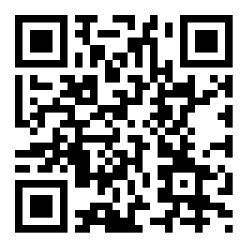
  1. Go to packtpub.com/unlock or scan the following QR code:

    Image

  2. Search for this book
  3. Sign up or log in to your free Packt account
  4. Upload your proof of purchase and download the code bundle locally

Usage note: You're free to use and modify this code for personal learning and non-commercial projects.

Download the color images

Your purchase includes a color, DRM-free PDF copy of this book, ideal for viewing color images, screenshots, and diagrams. Refer to Free benefits with your book section at the end of the Preface to unlock your PDF copy.

Conventions used

There are a number of text conventions used throughout this book.

CodeInText: Indicates code words in text, database table names, folder names, filenames, file extensions, and pathnames. For example: "Application databases are often located under /data/data/<application_id>/databases/ on Android devices."

A block of code is set as follows:

SELECT url, title
FROM urls
ORDER BY last_visit_time DESC;

Any command-line input or output is written as follows:

fsutil behavior query DisableDeleteNotify

Bold: Indicates a new term, an important word, or words that you see on the screen. For example: " Many forensic platforms recover deleted files using data carving, which typically relies on identifying a file's header and, when available, its footer (signature) within raw disk space."

Warnings or important notes appear like this and highlight critical considerations that may impact evidence integrity or analysis results.

Tips and tricks appear like this and provide practical guidance to improve efficiency during forensic investigations.

Get in touch

Feedback from our readers is always welcome.

General feedback: If you have questions about any aspect of this book or have any general feedback, please email us at [email protected] and mention the book's title in the subject of your message.

Errata: Although we have taken every care to ensure the accuracy of our content, mistakes do happen. If you have found a mistake in this book, we would be grateful if you reported this to us. Please visit http://www.packt.com/submit-errata, click Submit Errata, and fill in the form.

Piracy: If you come across any illegal copies of our works in any form on the internet, we would be grateful if you would provide us with the location address or website name. Please contact us at [email protected] with a link to the material.

If you are interested in becoming an author: If there is a topic that you have expertise in and you are interested in either writing or contributing to a book, please visit http://authors.packt.com/.

CONTINUE READING
83
Tech Concepts
36
Programming languages
73
Tech Tools
Icon Unlimited access to the largest independent learning library in tech of over 8,000 expert-authored tech books and videos.
Icon Innovative learning tools, including AI book assistants, code context explainers, and text-to-speech.
Icon 50+ new titles added per month and exclusive early access to books as they are being written.
Digital Forensics Cookbook
notes
bookmark Notes and Bookmarks search Search in title playlist Add to playlist download Download options font-size Font size

Change the font size

margin-width Margin width

Change margin width

day-mode Day/Sepia/Night Modes

Change background colour

Close icon Search
Country selected

Close icon Your notes and bookmarks

Confirmation

Modal Close icon
claim successful

Buy this book with your credits?

Modal Close icon
Are you sure you want to buy this book with one of your credits?
Close
YES, BUY

Submit Your Feedback

Modal Close icon
Modal Close icon
Modal Close icon